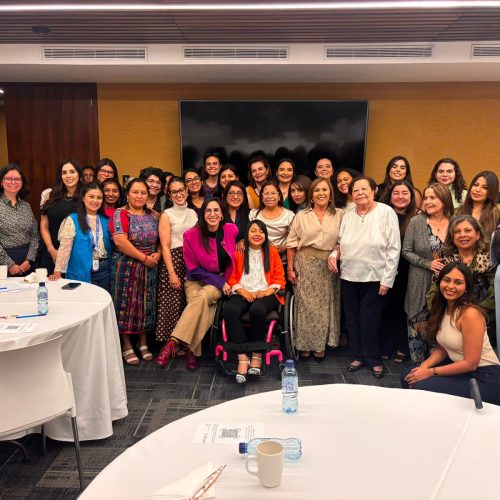
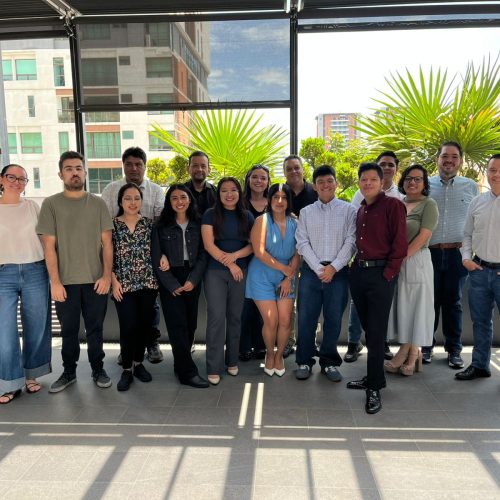
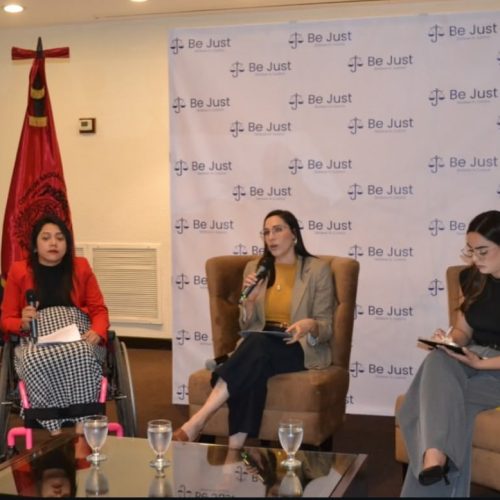
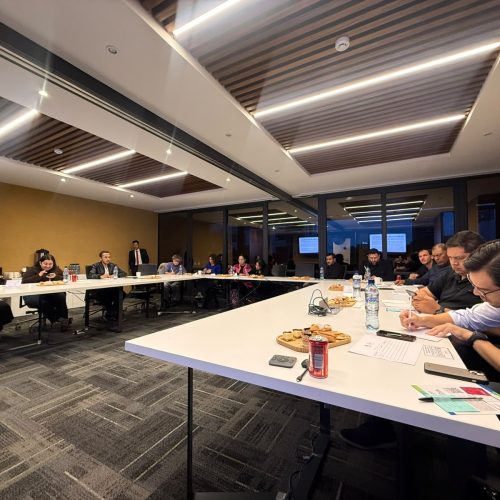
On November 22, the third edition of the workshop “The Selection of the Attorney General: Challenges, relevance and its impact on the rule of law” was held in El Cubo, Sacatepéquez. Following two previous editions held in Guatemala City, this latest event sought to bring the analysis to more people. The workshop was based on a fundamental premise: the selection of the Attorney General in 2026 will mark a turning point for the country’s future, making it essential that this process be transparent, lawful, objective, and understood by the public. In a complex political context, understanding how this process works and what is at stake is essential to strengthening democratic institutions.
During the workshop, participants explored in depth the nuances of the selection process, the key players involved, the legal requirements, and the critical moments that can determine its course. The political and social context influencing this election was also analyzed, as well as the consequences that a manipulated, politicized, or irregular process would have for the rule of law. The methodology combined presentations, group work, and open discussion, which made it possible to explore in depth the technical, political, and social aspects that influence this process. More than 20 participants, mostly law students and members of civil society, fostered an informed and diverse dialogue that enriched the collective analysis.
This educational initiative reaffirms Be Just’s commitment to promoting a critical, informed, and active citizenry capable of demanding that the selection processes for high-ranking officials live up to democratic principles. By providing tools to understand how the election of the Attorney General is structured and why it matters, the workshop directly contributes to strengthening the rule of law and building a more just society. Civic and legal education is a fundamental for preventing impunity, countering institutional manipulation, and ensuring that public leaders act in the public interest. That is why initiatives like this one are essential to Be Just’s mission and to our collective aspiration for a more democratic, transparent, and dignified country.