Be Just - Coffee Talks: The ABCs of the 2027 Elections

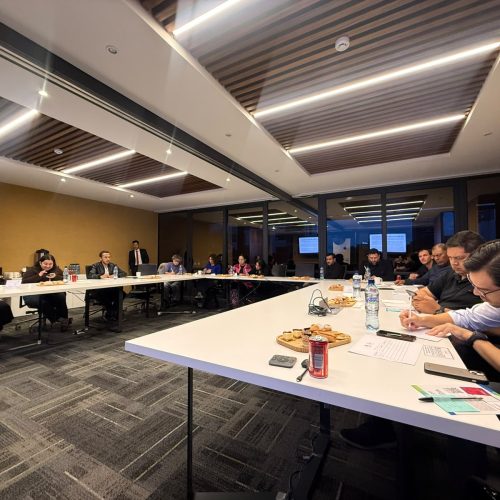
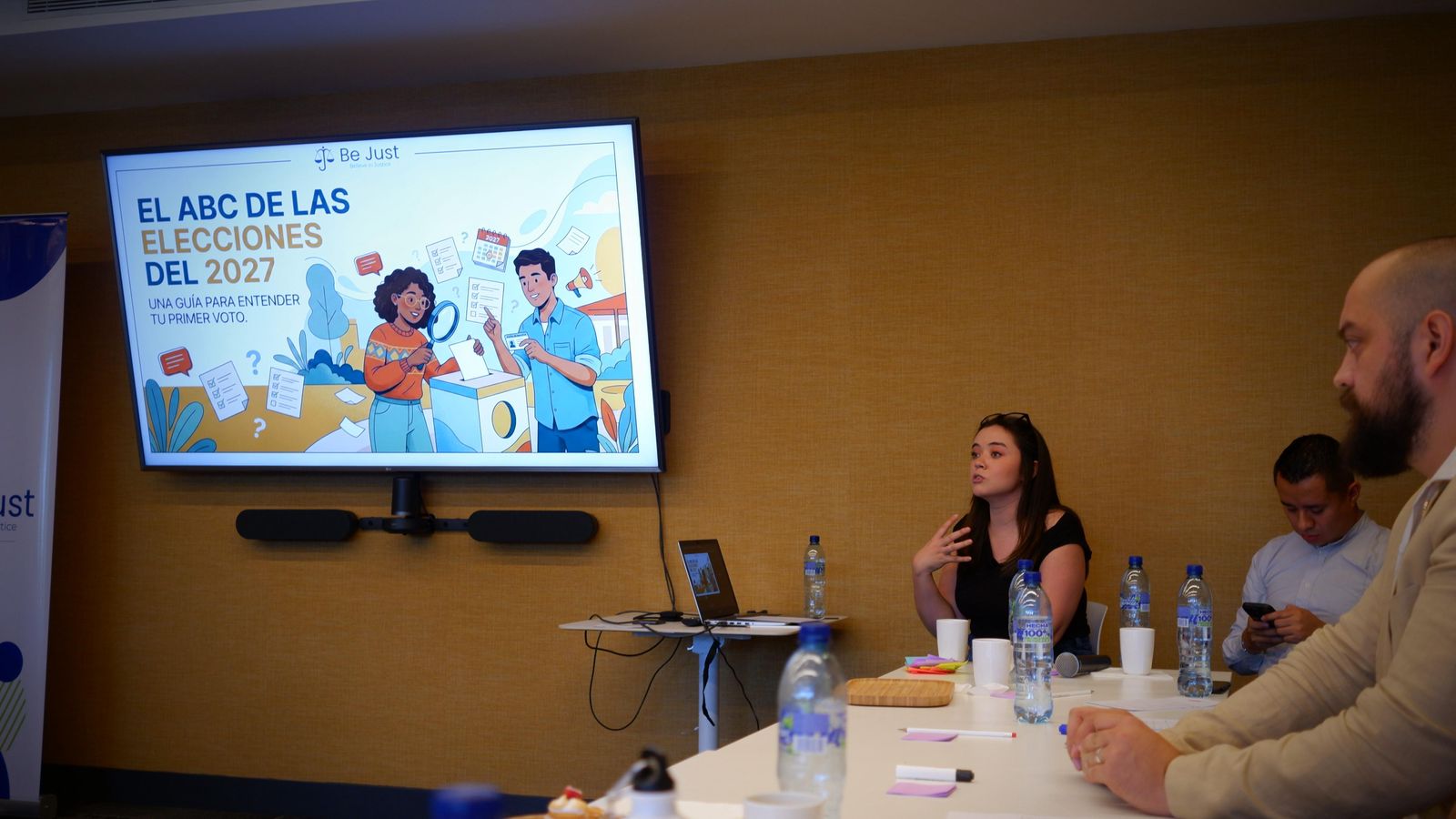
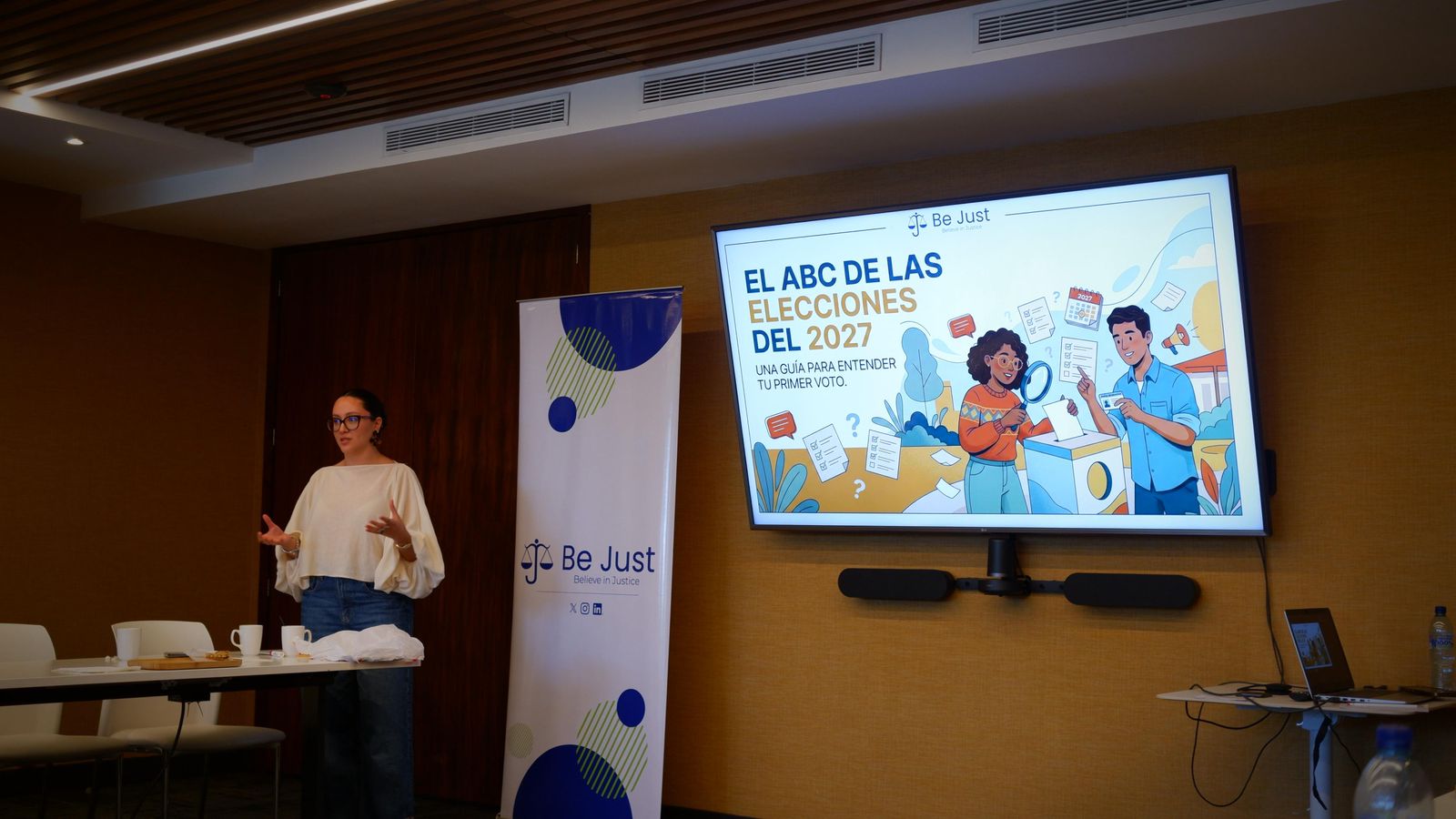
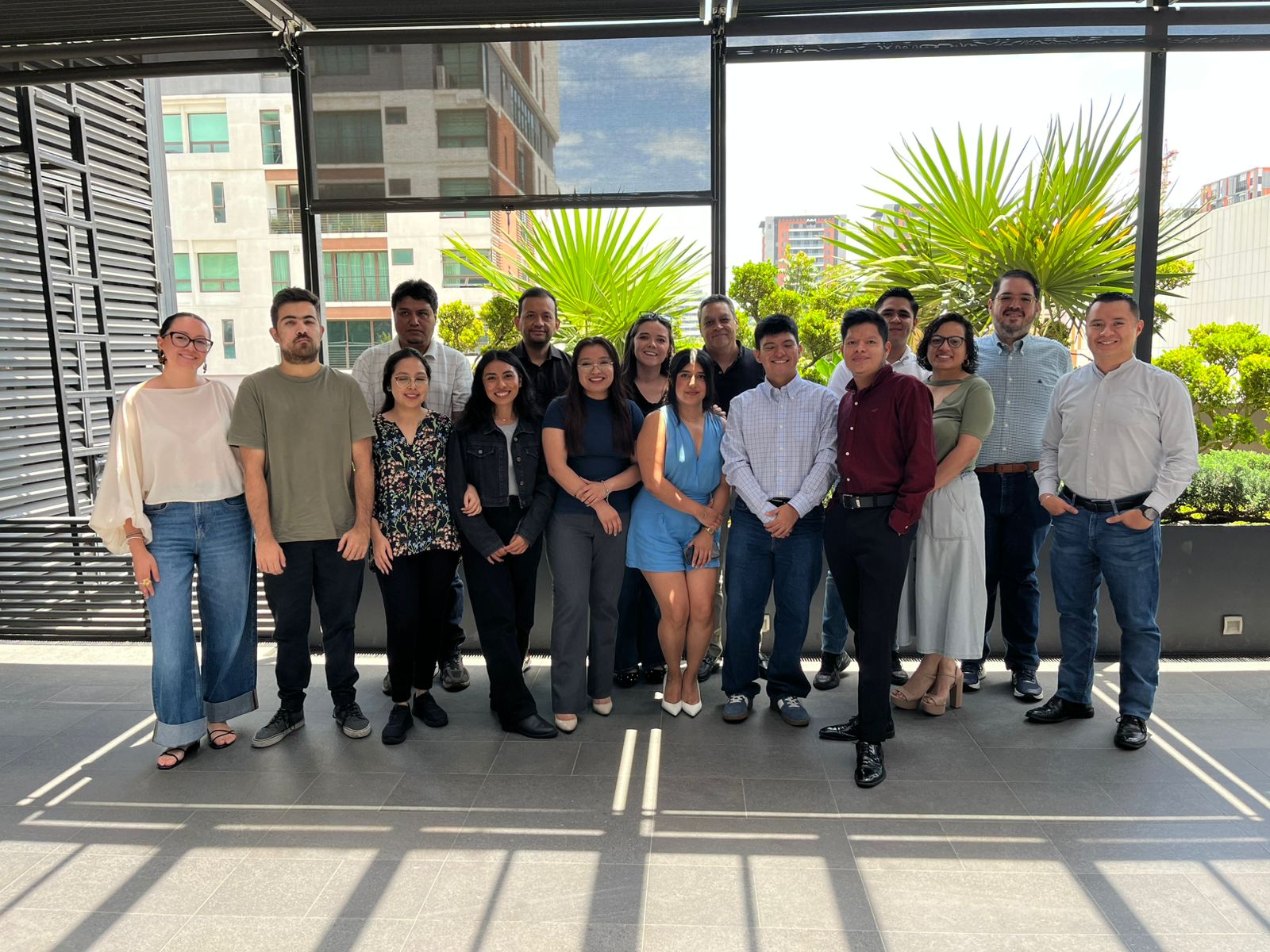
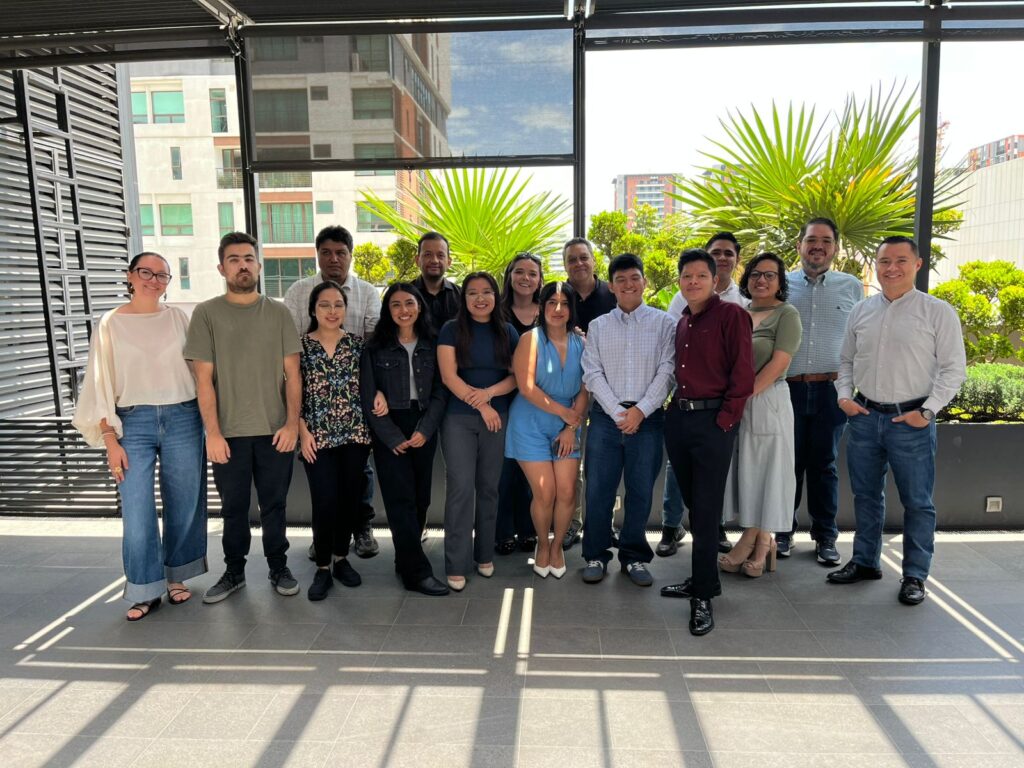
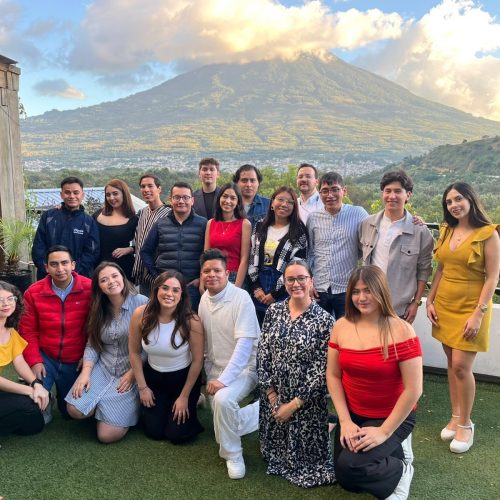
On Saturday, August 29, Be Just held the fifth "Café con Be Just" gathering, a training and dialogue space designed for young people approaching their first electoral experience, aimed at giving them tools to understand the 2027 electoral process and participate in a conscious and informed way. The event took place as part of Be Just's internship program.

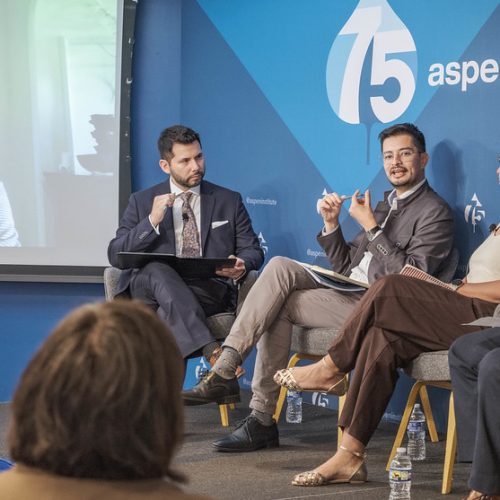
Organized as a plural, non-partisan space, the session opened with an icebreaker on representation and conscious voting, followed by a panel moderated by Mariana Reyes alongside Enrique Búcaro and Miguel Colop. The panel covered the rules governing the electoral process, the calendar and stages of the 2027 elections, lessons from the 2023 electoral process, the role of legal remedies (amparos) and complaints, and the importance of staying informed amid social media disinformation. The event closed with a Q&A session and a central message: voting consciously does not mean sharing a single political stance, but rather understanding the rules of the game and recognizing that citizenship does not end with the vote.

Through initiatives like this one, Be Just reaffirms its commitment to training young leaders and promoting informed citizenship ahead of the 2027 electoral process. "Be Just - Coffee Talks" continues to establish itself as a platform for exchanging ideas and collectively building proposals aimed at strengthening the rule of law in Guatemala.
More activities

no-program-ids

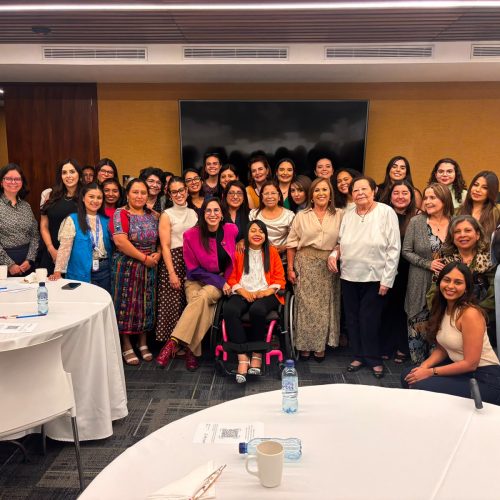
On July 28, the fourth "Be Just - Coffee Talks" was held, a forum for dialogue with Ana Elisa Samayoa and Marjorie von Ahn to discuss their experience in preparing and communicating the recently published constitutional reform proposal, as well as the importance of women’s participation in these types of processes and the next steps toward achieving greater inclusion in strengthening the justice system.

Este encuentro impulsó el intercambio de ideas y buenas prácticas para fortalecer las instituciones y apoyar los próximos procesos de elección de autoridades clave en el sistema de justicia.

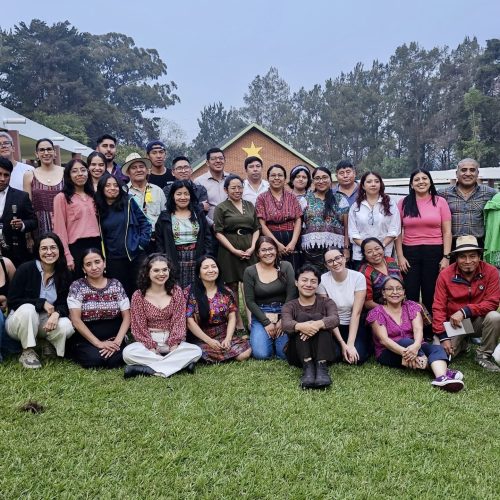
At this gathering, members of indigenous communities, independent journalists, and civil society organizations—united by the experience of having closely observed the selection processes for judges of the Supreme Electoral Tribunal, the Constitutional Court, and the attorney general—shared what we experienced, what we learned, and what lies ahead.

In this workshop, we analyzed the selection process of the Attorney General, its challenges, and its impact on the rule of law in Guatemala.
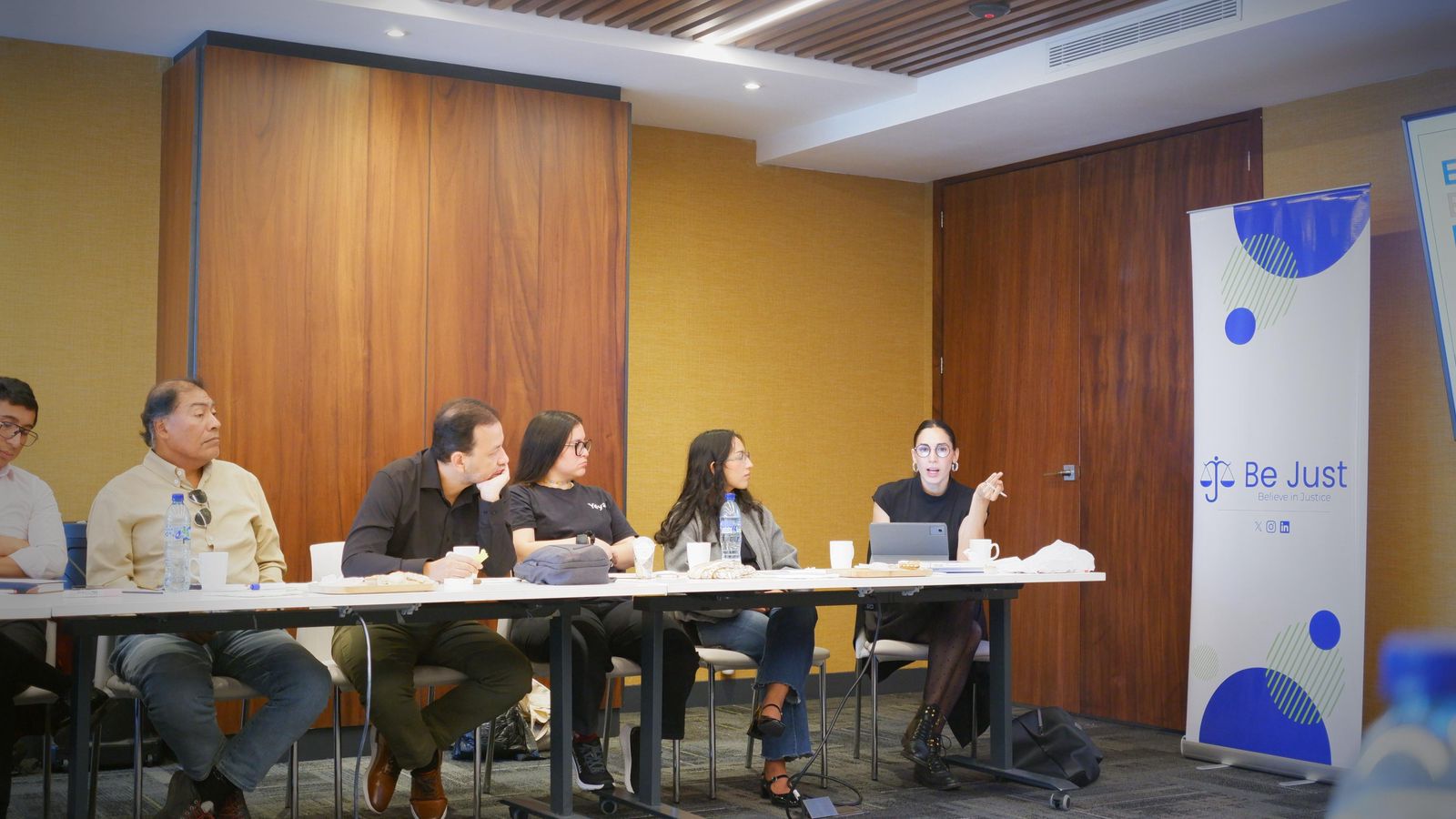
University students and recent graduates participated in an open discussion with Claudia González, lawyer and human rights defender, on the current challenges facing the rule of law, patterns of criminalization, and the key role of younger generations in defending justice.

In this roundtable discussion with Ana Garita of UN Women, we talked about the challenges women face in public life and the importance of ensuring their participation on an equal footing and free from violence.