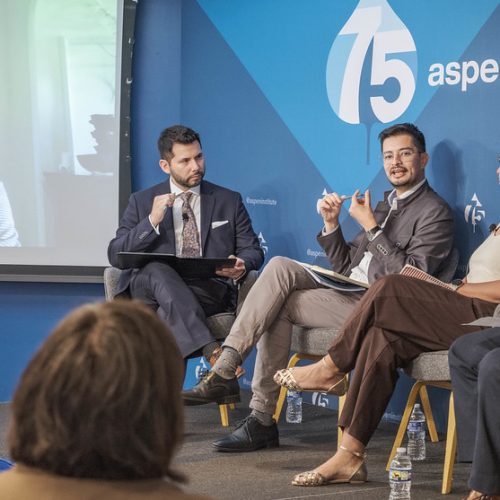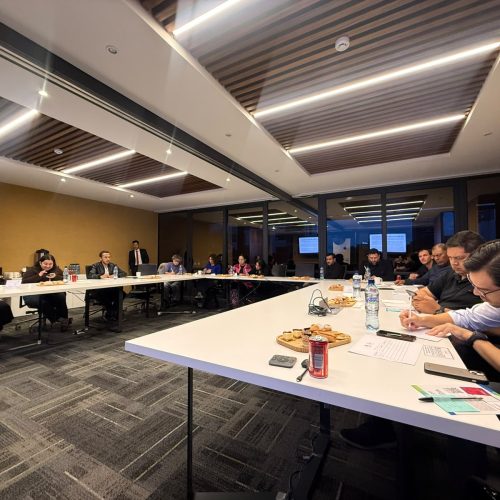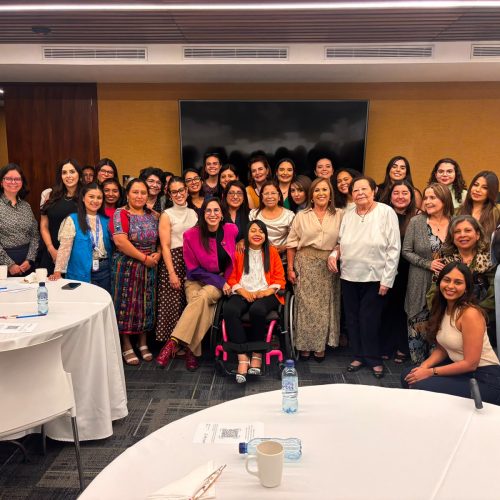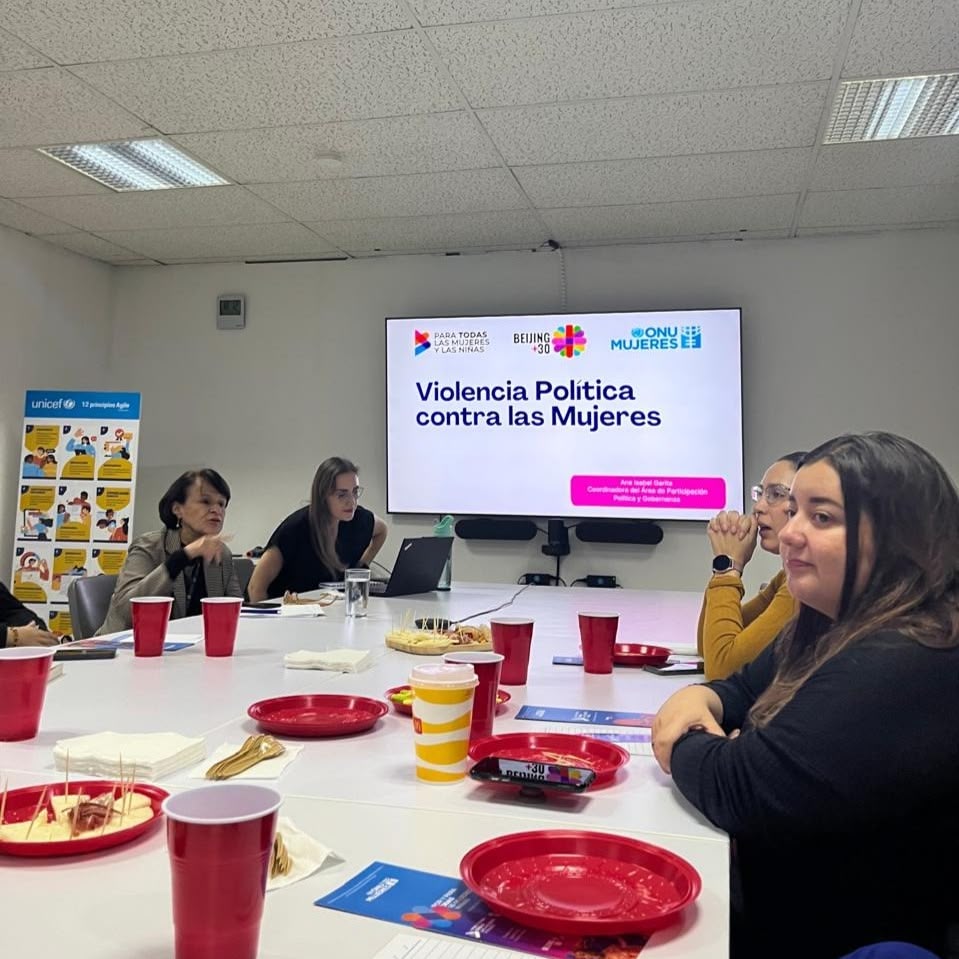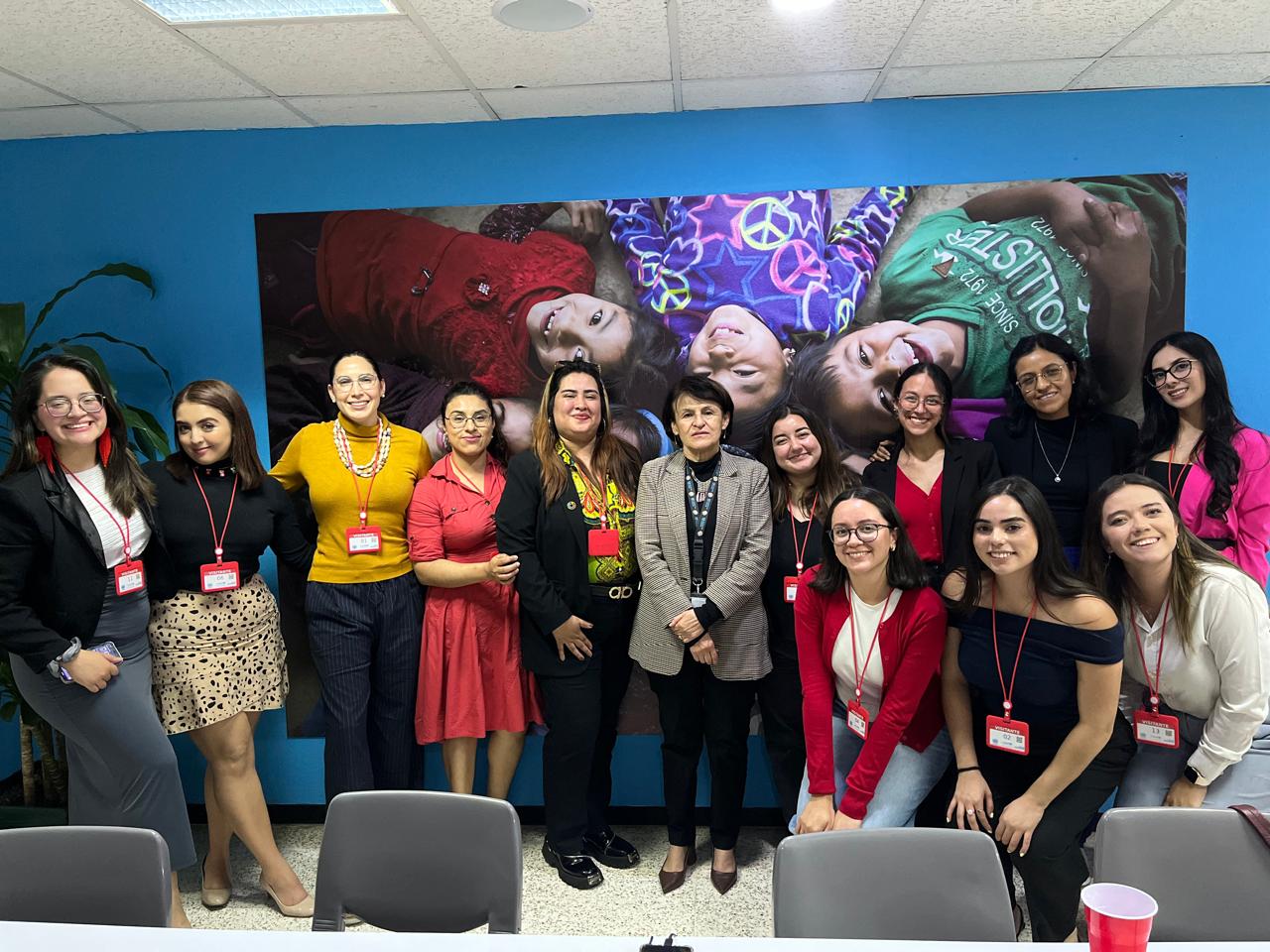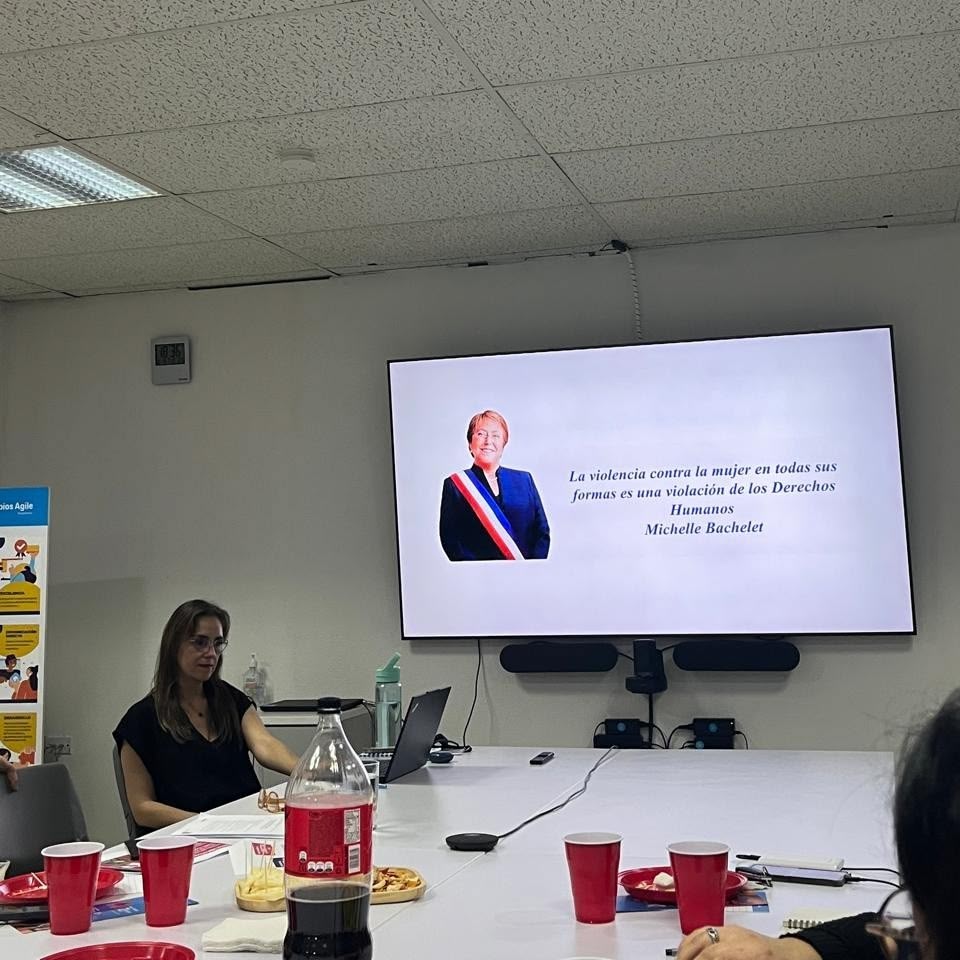
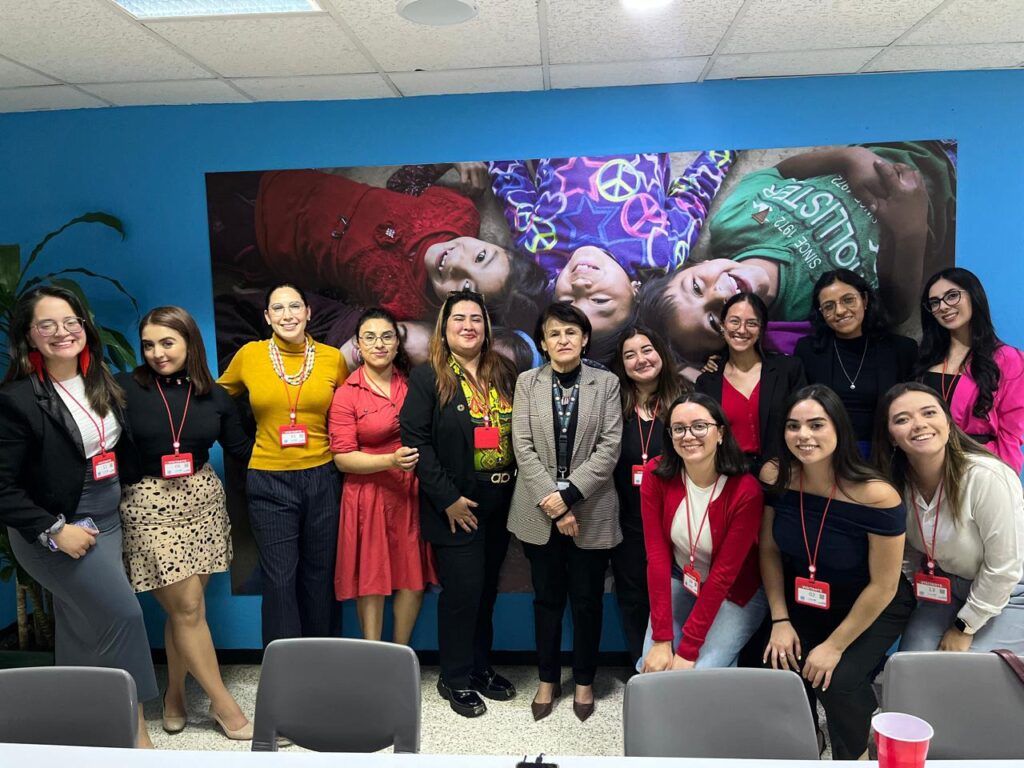
On October 14, 2025, at the UN Women headquarters in Guatemala, a roundtable discussion titled “Impact Alliance: Political Violence Against Women” was held, an event aimed at providing information and raising awareness about women’s political rights in the country. The event addressed the historical evolution of women's political participation, the framework of international conventions, and Guatemala's current situation compared to the rest of the region. In a context where women continue to face structural barriers and multiple forms of violence, this discussion served as a forum to reflect on the challenges that remain and the urgent need to promote policy and cultural changes.
During the event, key topics were discussed, such as political violence against women, international instruments to combat it, existing political declarations and commitments, as well as relevant statistical data illustrating the extent of inequality. The review also included international case studies and various Latin American laws, which provided insights into models of progress and best practices. The format of the discussion—open and interactive, featuring a speaker whose remarks could be enriched at any time by the audience—fostered a deep, dynamic, and thoughtful dialogue. Among the most striking findings was the recognition that Guatemala is the only country in the region without a specific law against political violence against women and without a law on gender parity, which sparked widespread concern about the need to more forcefully demand the rights to vote, to be elected, and to participate on equal terms.
This initiative reaffirms the importance of the work that Be Just promotes to strengthen the rule of law from a perspective of justice, equality, and non-discrimination. The insights that came out of the discussion highlight the urgency of transforming the structures that perpetuate women’s political exclusion and demonstrate that informed participation is key to moving toward a more just society. By promoting awareness of rights, critical analysis, and civic engagement, activities like this one directly contribute to building more representative institutions, combating political violence, and ensuring that all people can fully exercise their citizenship. Therefore, the event not only raises awareness but also strengthens Be Just’s mission to support processes that uphold the dignity of political participation and consolidate an inclusive and democratic rule of law.