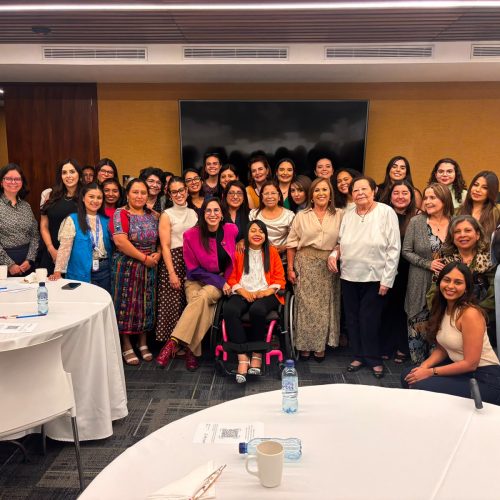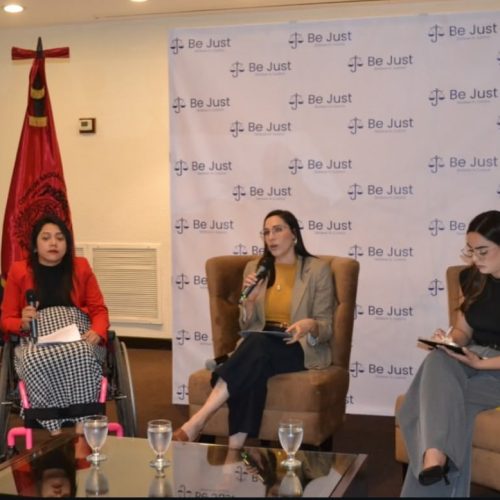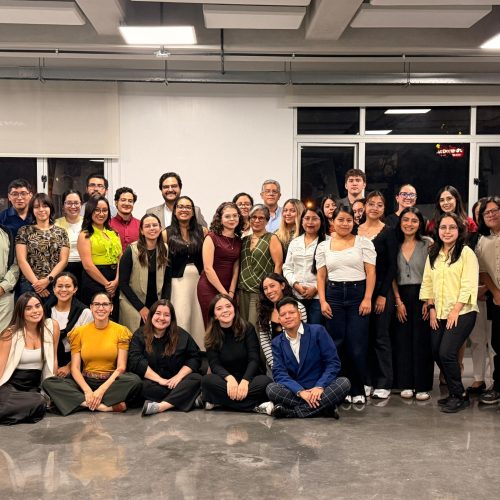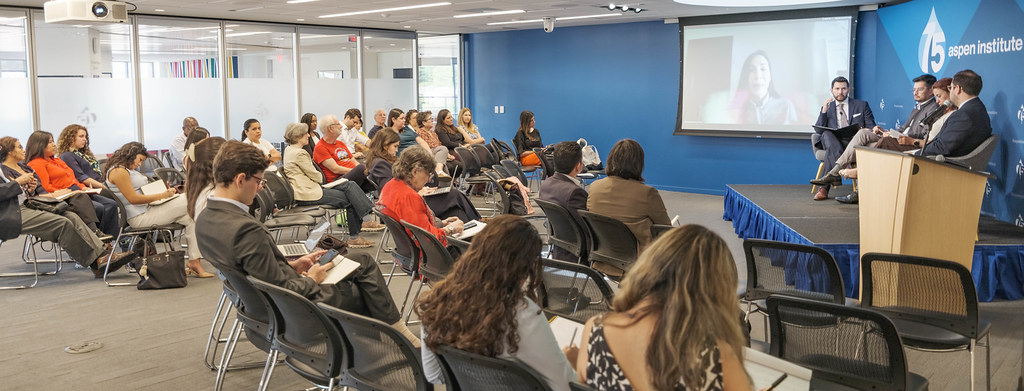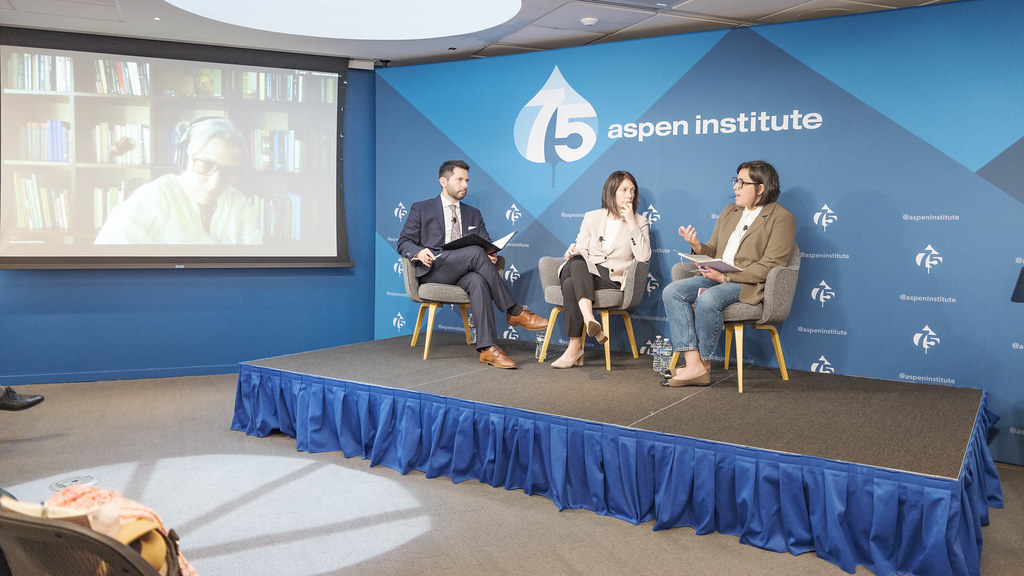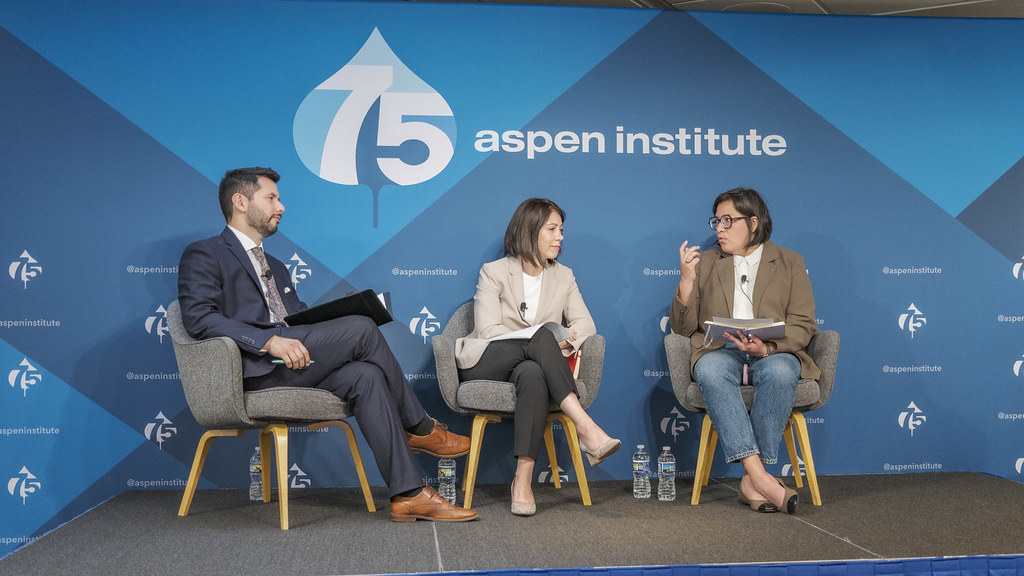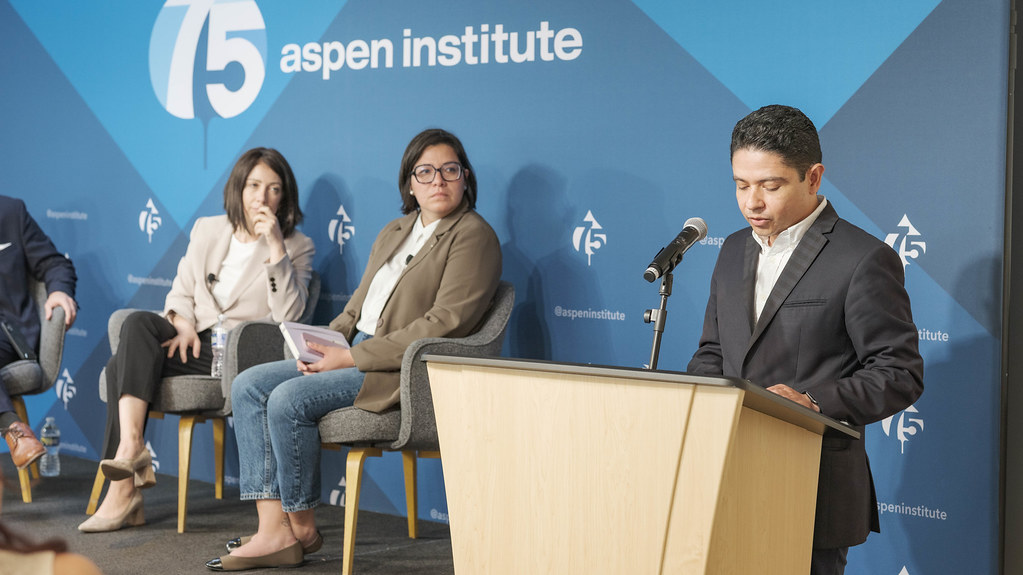
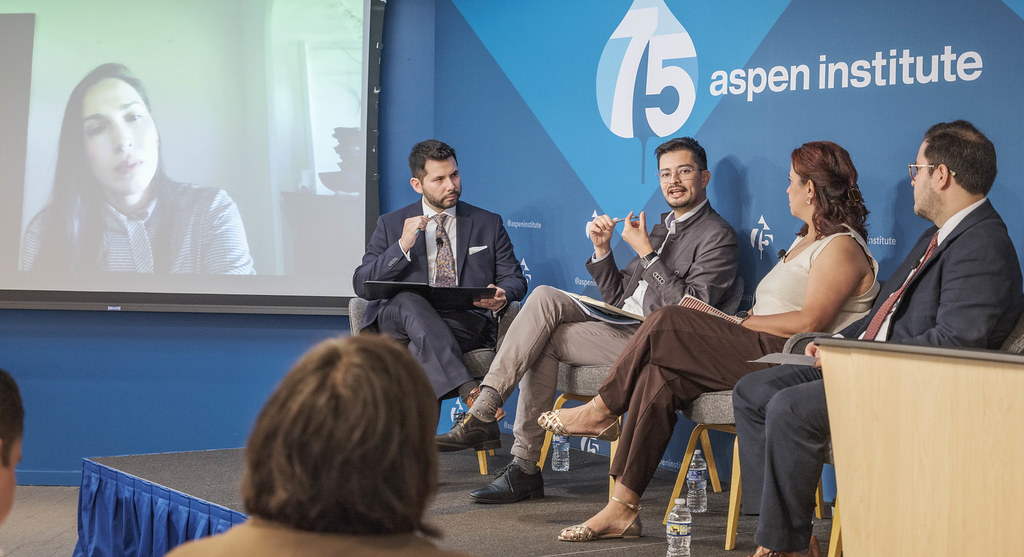
On June 15, Be Just hosted the forum “A New Opening for Democracy in Guatemala” at the Aspen Institute in Washington, D.C., creating a space for dialogue and reflection on Guatemala’s current political and institutional context and the prospects for strengthening democracy and the rule of law.
The event brought together representatives from academia, civil society, and international organizations to examine recent appointments within Guatemala’s justice system and discuss the challenges that remain in advancing judicial independence, accountability, and anti-corruption efforts.
The forum featured two panel discussions. The first panel, “Lessons from the Recent Appointments and the Way Forward,” explored the implications of recent appointment processes and the opportunities they present for strengthening democratic institutions. Panelists included Úrsula Indacochea, Program Director at DPLF; Francisco Rodríguez, Director of Plaza Pública; Andrea Rabanales, Project Director at Be Just Guatemala; and Álvaro Montenegro, guatemalan lawyer and consultant.
The second panel, “How to Build Pro-Justice Narratives in Challenging Environments,” focused on the role of communication, academia, and civil society in advancing narratives that support justice and democratic governance. Participants included Amparo Marroquín, Dean for Social Outreach at the Central American University José Simeón Cañas; Adriana García, Expert Advisor at NYU’s Rule of Law Lab; Gabriela Carrera, Director of Public Action at Rafael Landívar University; and Andrei González, an anti-corruption specialist and former prosecutor, was invited to deliver the closing remarks.
The discussion was moderated by Guillermo Miranda, Executive Director of Be Just, who emphasized the importance of fostering regional and international dialogue on the challenges facing Guatemala’s justice system and democratic institutions.
Through these types of initiatives, Be Just seeks to promote informed discussion on the country’s institutional developments, strengthen collaborative networks, and contribute to a deeper understanding of the opportunities and challenges that will shape Guatemala’s democratic future.